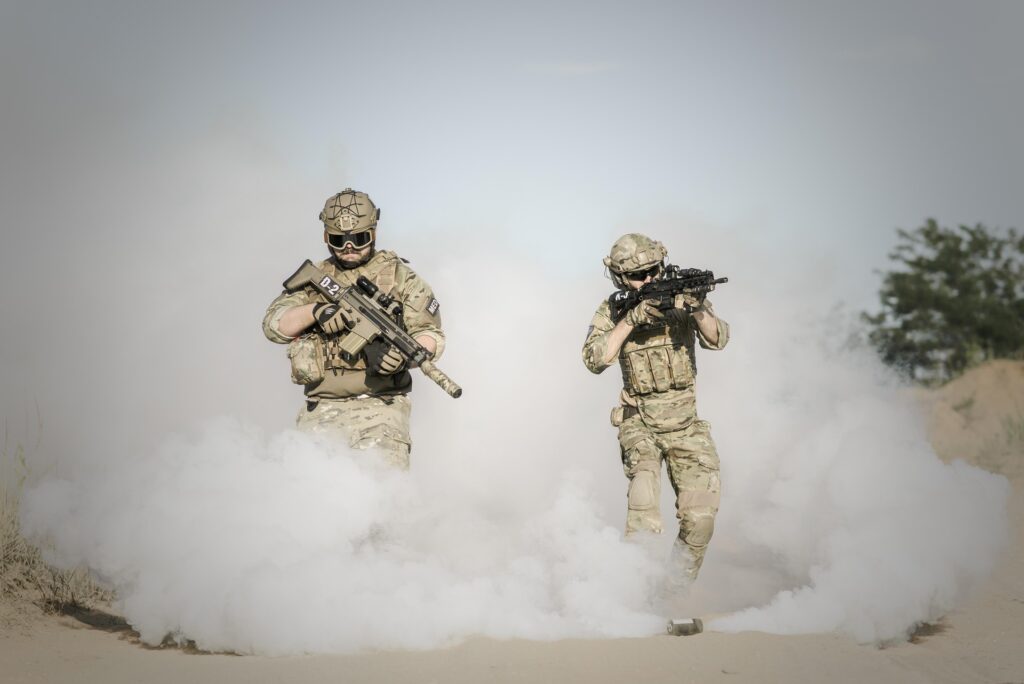
The Prime Minister says we are preparing for war.
He might be.
I’m preparing to go on holiday.
I’m not preparing to buy a tin-hat or dig a bomb shelter in the garden. Not buying tins of corned beef, candles and clearing the supermarket shelves of bottled water and bog-rolls.
I grew up in the shadow of a war. Rationing and shortages… part of daily life. When the men and women came back from the WWll front… it wasn’t a land fit for heroes…
… it was a scramble to create jobs, build places places to live and fix fractured relationships.
Returning soldiers reclaimed their jobs, by then, being done by women. It lead to pressure on the labour market. Women and older workers turfed out or sidelined.
This didn’t go down well.
Families were reunited. Not always smoothly. Years of separation, trauma and changed roles created emotional and relational tensions. Women had jobs… men didn’t.
During the war, women had filled roles in factories, transport, civil service, and armed services. After the war, many were treated very badly. Sometimes turfed out of jobs and obliged to return to traditional domestic roles to make room for returning men.
This didn’t go down well.
The war had changed perceptions of female capability. The seeds of second-wave feminism were planted as women increasingly questioned why they couldn’t continue to work and be independent.
I thought about all this as I watched Charmer, on the telly. Summoning his inner Churchill.
Somebody needs to tell him, we might have won the war but the peace turned out to be a battle.
The post war years set the direction for the future but they were far from plain sailing and certainly not the land of street parties and the conga.
They were grey years for the millions who had lived years in blackouts and fear. We don’t want any of that again.
Ramping up munitions and being ready for a war, will stop a war?
That’s what Starmer says. War with? I think he means Russia.
Like you, I’m a patriot but personally, I have no beef with Mr and Mrs Ivan Ivanovich. I doubt you do either. But, like me you’ll have every imaginable beef about what is happening in Ukraine.
Thus, we are already in a proxy war.
Sanctions have hurt Russia’s economy but not decisively. Sanctions are largely Western.
Much of the Global South continued trading.
India is one of the largest buyers of discounted Russian oil…
… and India continues to receive our overseas aid. In a bonkers sort of way we’re helping to fund Russia. War is confusing and chaotic and seldom simple.
I’m too old for the Army but I’m old enough to know, wars are best avoided, and…
… whatever kicks off, whatever starts, it will always end in talks.
All disputes do. A war, a spat with a neighbour, an upset at work an argument at home… it all ends in talks. The sooner you talk, the quicker it’s over.
Industrial disputes are no different. The faster you get round the table, the quicker you can square your differences.
The Resident Doctors claim Streeting hasn’t talked to them. Streeting says he has. Now, we have a row about who is talking. Pathetic, isn’t it?
Streeting sounds like Steve Barclay and resident doctors are sounding like the old junior doctors.
In the meantime, in an NHS that is distracted by sackings, budget cuts, buildings collapsing, re-disorganisation and waiting lists growing… ‘preparing for strikes’ is added to the list of things to do.
Streeting should start talks immediately. Even if they only they sit and talk about talking, it’s better than arguing about talking.
If you talk, you build relationships. In this context relationships are strategic, then they become transactional. Then you can do a deal.
Remember the Thatcher phrase about Gorbachev… ‘He is a man I can do business with’.
Streeting has got one job; cut waiting lists. He’s not doing it and he won’t if the Docs are back on strike.
Think about it. That might suit him? Gives him the chance to say… ‘I would have, if only the doctors hadn’t gone on strike’.
Crafty… don’t let it happen.
Keep him talking.
News and Comment from Roy Lilley
Contact Roy – please use this e-address roy.lilley@nhsmanagers.net
Reproduced at thetrainingnet.com by kind permission of Roy Lilley.
Preparing for War,
Post-War Britain,
Diplomacy Over Conflict,
NHS Industrial Disputes,
Women After WWII.
Related
Discover more from The Training Network
Subscribe to get the latest posts sent to your email.