So what will our great leader do now?
Faced with another round of resident doctors’ strikes, Wes Streeting is turning into Steve Barclay… ‘my door is open’ palaver… ‘I’ll talk about everything but money’… when money is the one thing they want to talk about.
What will happen now?
Streeting will point out the strike vote was only just enough to get the numbers over the line… the majority of Resident Doctors are probably not up for a strike… that’ll make no difference.
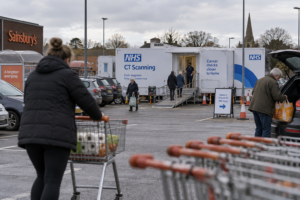
There’s about a fortnight for the NHS to get ready… management are used to strikes and they can pull plans off the shelf, but…
… this is in the middle of sacking half the staff at NHSE, 50% budget cuts in ICBs and more sackings and Trusts down banding, leaving vacancies open and sacking people to help The Jim Reaper find ~£2bn.
Expect discretionary effort to go out the window.
Cancelling elective procedures. In the run-up, bosses will want as few people in hospital beds as possible. Probably 100,000 people will be dumped and disappointed.
The strikes coincide with the start of the school holidays when families have to take their holidays. Expect leave to be cancelled… that’ll be popular.
July 25 to 30 falls squarely in the historical window for UK heatwaves. The Met Office long-range outlook warns of potential high temperatures in southern and eastern England.
This means an influx of frail elderly into A&E, onto the wards and then stuck, waiting for safe discharge…
… and then, once more, the moral, ethical and weary debates about the rightness, or not, of doctors going on strike.
They say they are paid less than a London tube driver… alas equivalence arguments never work because who is to say a train driver, getting thousands to work safely, is any more or less important than a doctor who can treat a worker, having an accident when they get to work.
The truth is, the value of a doctor’s wages has gone south. By how much? There are some dodgy numbers being bandied about. This is a good explainer. Whatever, it’s the fault of the dozy BMA who let it happen.
It is not the fault of the public who will pay the price of the strikes.
The fact that the RDs, despite a whacking great increase, have still not caught up and have actually slipped further behind in this last year, is the fault of the dozy BMA who, last time around, should have stuck out for a three year deal.
It is not the fault of the public who will pay the price of the strikes.
In the midst of all these human risks are two interesting strategic risks.
A very different future is on the march.
The emergence of AI, decision support, machine learned diagnostics and the surge in the numbers of associates and assistant grades should tell us something.
As much as I don’t want to… I can envisage a future where doctor’s numbers are reduced… particularly as they’ve become heavily unionised and difficult to manage.
The shape and nature of work. ‘Taskification’ is underway. Effectively deskilling, is happening across the landscape of work.
Fewer doctors could become very highly paid, overseeing the work of assistants and machines.
It’s happening now in the legal professions, civil engineering, architecture… don’t discount it as day-dreaming. It will come quicker than you think.
Second the politics. Let’s play the game…
If Streeting can’t fix this and he has no money and hardly a conciliatory demeanor, his political capital will drain away. Public impatience and sticky waiting lists makes him vulnerable.
Starmer’s poll ratings are through the floor and there’s already talk of a shuffle at the end of the month. In any event, it will have to be September before the party conferences. Who will go where?
Jonathan Ashworth is an obvious contender for health but is no longer an MP. House of Lords?
Peter Kyle is a strong communicator; overcame severe dyslexia, returned to education at 25, earned a PhD in community economic development. Worked extensively in the voluntary sector.
That leaves Liz Kendall… possible move to health? Replaced by Dr Rosena Allin-Khan, inexperienced but well worth a look.
Kendall is more pragmatic and less publicly combative than Streeting and with a social care/health integration agenda.
Streeting? Moves to Justice, reshaping legal reforms. Less high profile and would suit an insecure Starmer.
So what do we make of all this?
Simples.
Any disruption in a complex system carries the risk of unintended consequences… second-order effects that emerge not from bad planning, but from the inherent unpredictability of interconnected systems.
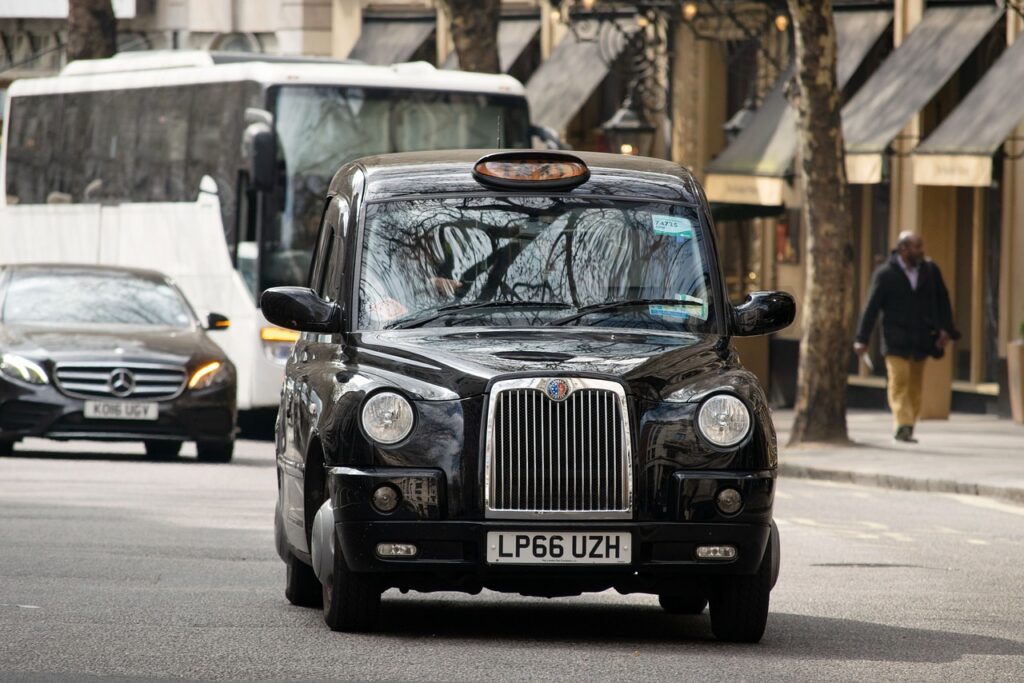
Taxi for Mr Streeting.
News and Comment from Roy Lilley
Contact Roy – please use this e-address roy.lilley@nhsmanagers.net
Reproduced at thetrainingnet.com by kind permission of Roy Lilley.
Related
Discover more from The Training Network
Subscribe to get the latest posts sent to your email.