I remember it well. Even as the former chair of a district health authority I had no idea what to expect.
The Thatcher reforms of healthcare promised a level of operational freedoms for hosptials that was unprecedented. Their own balance sheets, staff on local pay and conditions, create businesses and dispose of assets.
The first morning I arrived, as a putative chair of one of the 50 new Trusts, I was late. I am never late… I got lost on the estate. Great start!
Despite a lifetime running businesses, it took me about a week to realise, running a Trust was nothing like running a business. That didn’t seem to occur to the policy antagonists who were convinced I would be flogging the Trust to Sainsbury’s.
To reinforce their opposition someone engraved their views on the bonnet of my car.
To be honest the task was enormous. Enormous to understand; the legal requirements and all the other arrangements. Enormous to deliver to a tight time scale… on top of the day-job. The Executive team were magnificent. As good as anything I’d seen in thirty years of business.
I was out of my depth. To be honest, ready to turn it in. Return to the relative quiet and safety of corporate life and entrepreneurialism.
I didn’t. I was saved by the man to whom I owe everything. A fellow at the King’s Fund. Martin Fischer. He unscrambled my brain, got me thinking straight.
He told me; be clear about what I believed, wanted to achieve and tell people. That way they might have half a chance of delivering it! Simples…
The rest, as they say, is history.
What’s a chair-person for? Smiling, back patting… yes. Holding the executive to account for delivering the Board’s strategy. Managing the external boundaries. Listening, mentoring, encouraging. All of the above. And, chairing the Board and arranging its business.
There’s also a bit about being clear, a public speaker. Sensitive and tuned-in to people’s feelings and the mood of a meeting, the organisation and the public. Impartiality, approachable, tactful and knowing yer-stuff.
Sometimes, cutting corners. Making sure wrongs are righted and the right thing gets done.
The operational independence of Trusts was reinforced with the Blair government’s invention of Foundation Trusts, based on a Spanish hospital model.
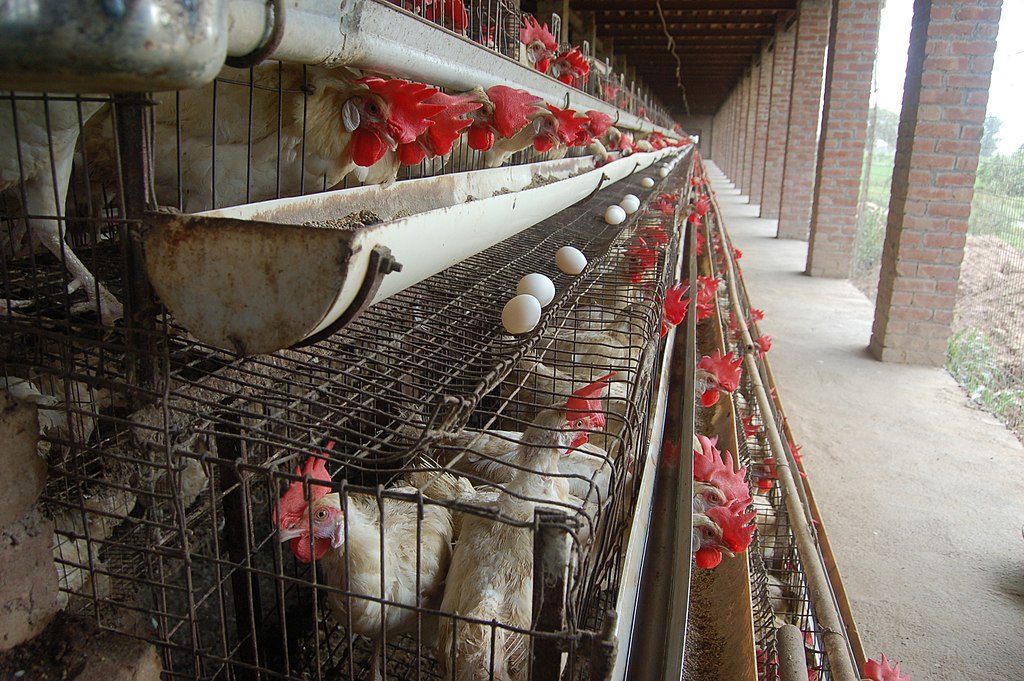
Sadly, it’s all come to nothing. Hosptials are about as independent as a battery hen. Trust boards are little more than administrators.
How has this happened? I’ll tell you. Trusts are difficult enough to run, take away seven years of funding growth, create 38k nurse vacancies, performance targets and do nothing to limit demand and you get an organisation that is next to impossible to run.
Add to that, unreasonable regulatory demands and political pressure and you might as well had over the keys and let The Tinkerman run everything.
Time for Chairs to say; it’s too difficult, too big a task, it’s not for me and I’ll move on… wish my successor good luck?
Or, you could say; this Hosptial plays a pivotal role in the employment, care, hopes and dreams of the people and families who live and work here.
It’s going through a tough patch and we are taking a lot of flak but it is important work and if it was easy everyone would be queueing up to do it… and we all know they aren’t.
We will roll up our sleeves, have a clear plan, share it with everyone and together, get on and deliver it.
If somebody thinks they can do a better job, well, let them sack us all and find people better than us.
Being a chairman is about seeing the bigger picture. It’s not about going or staying, winning or losing. It’s about hard graft, behind the scenes, for little thanks.
Ultimately it’s not about standing in the spotlight in the comfortable moments, it’s about standing in the cold light of scrutiny, controversy and discomfort and often in the shadows making things work.
… and it’s the best job in the world.
———————————–
Contact Roy – please use this e-address
Know something I don’t – email me in confidence.
Leaving the NHS, changing jobs – you don’t have to say goodbye to us! You can update your Email Address from the link you’ll find right at the bottom of the page, and we’ll keep mailing.
———-
Disclaimer
Related
Discover more from The Training Network
Subscribe to get the latest posts sent to your email.