Happen

The NHS records 403 Never Events yet the numbers barely move. The lesson is not human failure, but system design failure. Future safety gains require technology, governance and investment.

The NHS records 403 Never Events yet the numbers barely move. The lesson is not human failure, but system design failure. Future safety gains require technology, governance and investment.
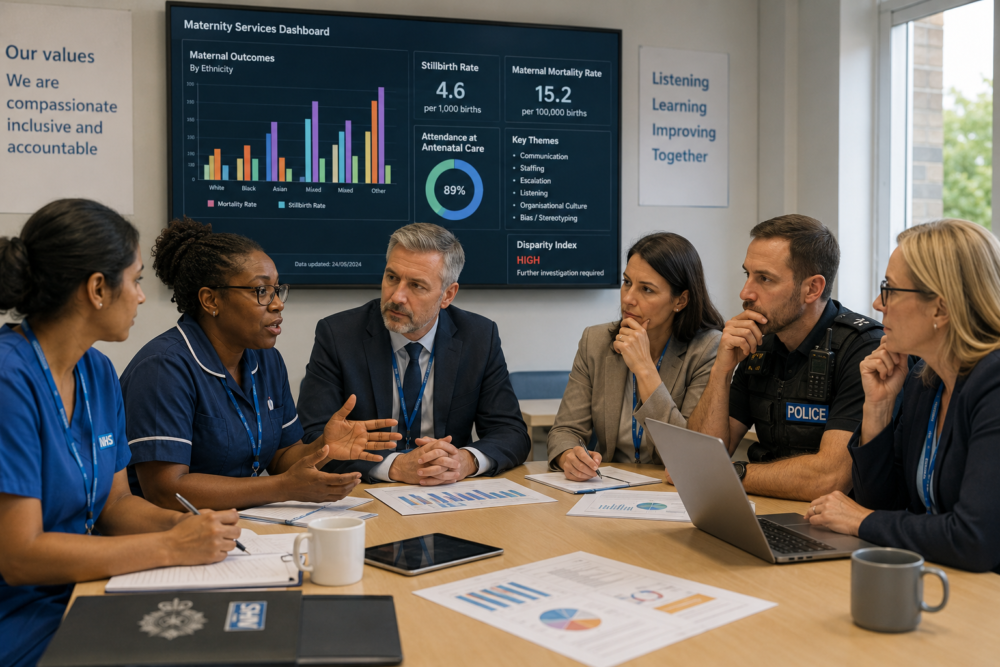
Public institutions face difficult questions about race, trust and decision-making. Evidence, transparency and data provide a better route to understanding complex failures than ideology, assumptions, blame or simplification.
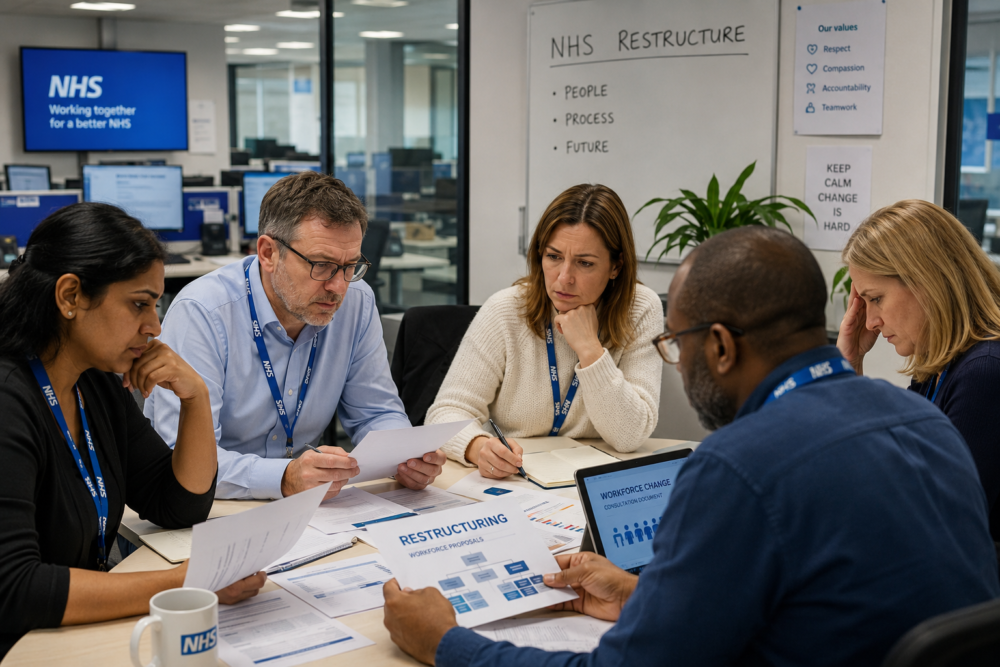
Hundreds of overseas NHS England staff face uncertainty as restructuring collides with civil service rules, exposing wider concerns about redundancy protections, workforce planning, organisational trust and leadership accountability.

The foundations to this story regarding NHS outsourcing and staff pensions are to be found at the Royal United Hospitals, Bath NHS […]

Roy Lilley argues Britain keeps rediscovering NEETs, recycling old policy, while young people need real jobs, employer support and cheaper, easier routes into work.
Roy Lilley examines James Murray’s first ninety days leading the NHS, outlining five urgent priorities including workforce planning, operational listening, system flow and halting disruptive reorganisations before winter pressures intensify.

Prof Shafi Ahmed’s new book explores how AI will reshape medicine, challenging NHS leaders to rethink trust, judgement and implementation before technology simply accelerates existing organisational dysfunction.

A fictional Prime Minister’s speech becomes a reflection on leadership, austerity, honesty and political courage, questioning whether modern politics still rewards leaders prepared to tell difficult truths.

August reveals NHS fragility as reduced staffing and tightly coupled systems constrain capacity, causing waiting lists to rise despite stable demand and record levels of activity.

NHS surgical cancellations remain average internationally, but systemic inefficiencies persist. Better pre-operative preparation, coordination, and patient readiness could significantly reduce avoidable cancellations and improve costly theatre utilisation.